
Understanding the psychological triggers that drive gambling behavior
The Allure of Risk and Reward
Gambling behavior is significantly influenced by the psychological appeal of risk and reward. The thrill of potentially winning a large sum can lead individuals to partake in various betting activities, from casual poker games to high-stakes casino gambling. The anticipation of a big win activates the brain’s reward system, releasing dopamine, which reinforces the desire to engage in gambling behaviors. In this context, many players look for the best new casino online options to enhance their gaming experiences.
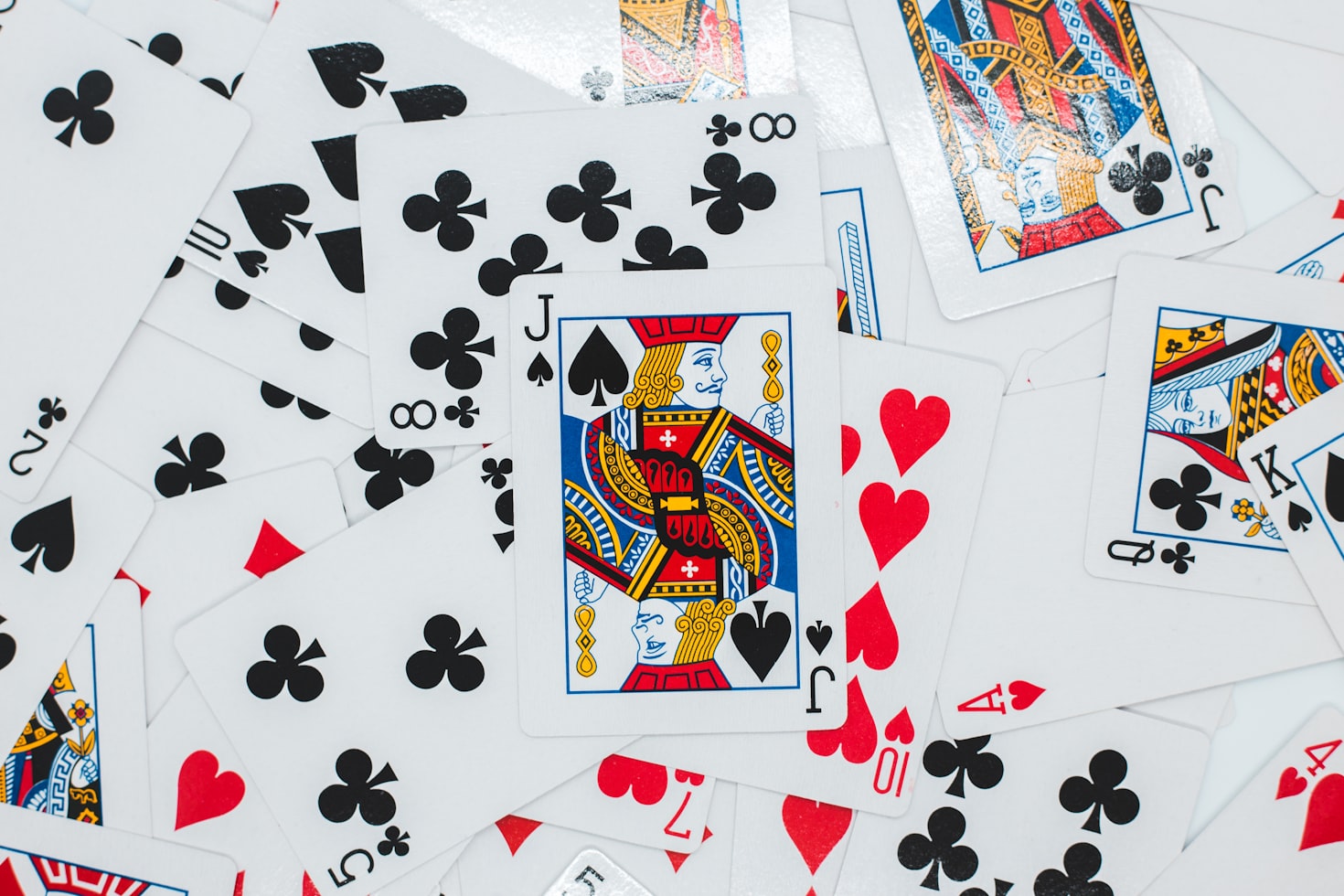
This attraction to risk is often rooted in a person’s personality traits. Some individuals may possess a higher tolerance for risk, seeking excitement and novelty, while others may gamble to escape boredom or stress. Understanding these psychological inclinations helps elucidate why certain people are more prone to gambling than others.
The Role of Cognitive Biases
Cognitive biases play a significant role in gambling behavior, leading individuals to make irrational decisions. One common bias is the illusion of control, where gamblers believe they can influence outcomes through skill or strategy. This false sense of control can propel individuals to gamble more frequently, despite the underlying randomness of games of chance.
Additionally, the gambler’s fallacy—a belief that past events can influence future outcomes—can keep individuals locked in a cycle of betting. For example, if someone believes that a certain number has not appeared in a while, they may be more likely to bet on that number, leading to increased gambling activity. Recognizing these biases is essential for understanding how they contribute to compulsive gambling behaviors.
The Impact of Social Influences
Social factors heavily influence gambling behavior. Peer pressure and the need for social acceptance can drive individuals to participate in gambling activities, particularly in environments where gambling is prevalent. When friends or family engage in betting, individuals may feel compelled to join in to fit in or enjoy shared experiences.
Furthermore, social media and advertisements can glamorize gambling, creating a perception that it is a socially acceptable and exciting activity. This portrayal can entice individuals, especially younger audiences, to explore gambling without fully understanding the risks involved. The social landscape around gambling can both encourage participation and normalize the behavior.
The Psychological Mechanisms of Addiction
The mechanisms of gambling addiction are complex and multifaceted. For some individuals, the initial thrill of winning can lead to repeated gambling, as they seek to recreate that euphoric feeling. Over time, this can escalate into a compulsive behavior where the individual feels unable to stop despite negative consequences.
Biological factors also contribute to gambling addiction. Neurological research indicates that individuals with certain brain chemistry imbalances may be more susceptible to addictive behaviors, including gambling. Understanding these psychological and biological components is crucial for developing effective treatment approaches for those struggling with gambling addiction.

Website Overview and Resources
This website serves as a comprehensive platform for individuals looking to understand the intricacies of gambling behavior. It offers a wealth of information about the psychological triggers that drive gambling, ensuring that users are well-informed about the risks and rewards associated with betting activities.
In addition to educational resources, the site provides support for those who may be dealing with gambling-related issues. By fostering a better understanding of the psychological factors at play, the website aims to promote responsible gambling and help individuals make informed decisions regarding their gambling behaviors.